Why Your Monstera Leaves Aren't Splitting: 7 Common Mistakes to Fix
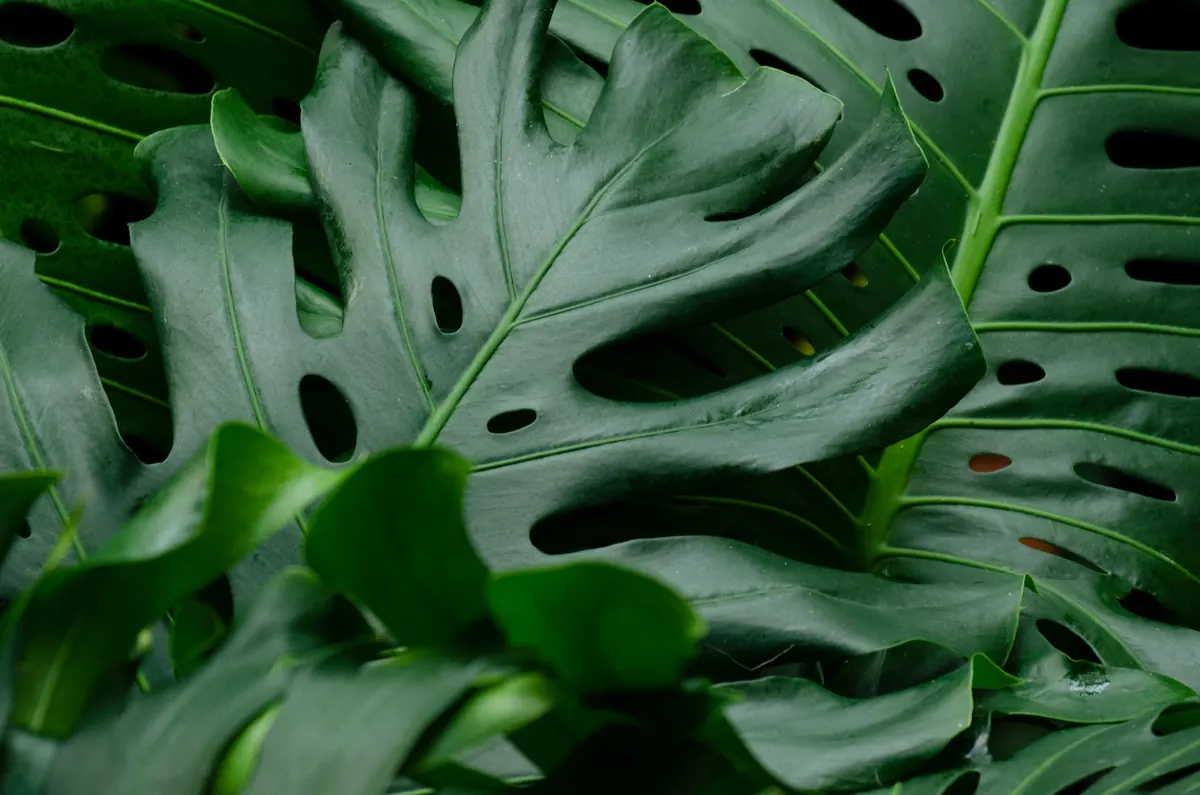
A Monstera deliciosa with solid, heart-shaped leaves is still a handsome houseplant. It just isn't quite the one you had in mind when you bought it. Fenestration — the splits and holes that make the foliage look like a cheese grater — is how the plant copes with wind and dappled light in the wild, and it only bothers to produce it when it is mature enough and content enough to grow strongly. That is encouraging, because the conditions you control are usually the ones holding it back. Here are the seven mistakes that stop most Monstera leaves splitting, and what to do about each.
Fenestration is not something you can switch on for an existing leaf. A leaf that unfurled whole will stay whole for its entire life, so don't stare at the old foliage waiting for it to change. Everything you do now shows up in the next leaf, and the one after that.
Young Monstera plants produce simple, solid leaves almost regardless of care. As the plant matures and begins to climb, new leaves get larger and more divided. In good conditions that shift often happens once leaves are roughly the size of your hand, but a small supermarket specimen may need a year or two of steady growth before it has the resources to spare. If your plant is putting out new leaves regularly and they are getting bigger, you are on the right track.
This is the most common cause by a wide margin. Monstera grows beneath a canopy in bright, filtered light, and splitting is partly a response to strong light. A plant sat in the middle of a north-facing room will survive for years while quietly refusing to develop a single split.
Signs that light is the problem:
The fix is to move the plant closer to a bright window — an east or west facing one is ideal, or a metre or so back from a south-facing window behind a sheer curtain. Do it gradually. Shifting a shade-grown plant straight into direct sun can scorch the leaves within days, so edge it closer over two or three weeks and turn the pot a quarter turn each week so growth stays even.
Both extremes stall growth, which means fewer and smaller new leaves. Chronically wet compost suffocates roots and leads to yellowing lower leaves, soft black stems and root rot. Bone-dry compost makes leaves curl, crisps the edges and brings growth to a halt.
Water when the top two to three centimetres of compost are dry. Push a finger in, or use a wooden skewer and see whether it comes out clean. Then water thoroughly until it runs from the drainage holes, and empty the saucer a few minutes later. A Monstera should never sit in standing water. In winter, expect to stretch the intervals considerably — an extra week is normal.
Fenestration takes energy, and a plant that has been in the same compost for a year or more is often running on empty. Pale new growth, small leaves and sluggish progress are typical hunger signals.
Use a balanced liquid fertiliser diluted to roughly half the strength on the bottle, applied every two to four weeks through spring and summer. Ease off in autumn and pause over winter unless the plant is still growing strongly under a bright window. Every few months, water the pot generously until it flows freely through the drainage holes to flush out accumulated salts, which otherwise cause burnt tips.
Monstera enjoys humidity in the region of 50 to 60 per cent. Central heating and air conditioning drop that considerably. Misting gives a brief lift at best; a pebble tray, grouping plants together or a small humidifier does more. Keep the plant away from radiators, draughty doorways and cold single-glazed windows, since a chill can abort a new leaf before it unfurls.
Pot size matters more than most people expect. A pot far too large holds far more compost than the roots can drink, and the surplus stays wet — a direct route to rot. A pot that is too tight leaves roots circling and drying out within days, and growth slows accordingly.
Repot in spring every one to two years, and only go up by two to four centimetres in diameter. Always choose a container with drainage holes. If roots are already escaping the base, that is your cue rather than a disaster.
Those thick roots looping out of the stem are not untidy growth to be snipped away. They are climbing equipment: they anchor the plant, take up moisture and help it haul itself upward as it would up a tree trunk. Remove them and you strip away support the plant needs to grow big, well-divided leaves.
Give your Monstera a moss pole or a rough wooden plank and guide the aerial roots into it, or bend them back into the compost. A plant that is climbing tends to produce larger leaves with deeper splits; one left to sprawl across a windowsill often plateaus at a modest size.
Every green leaf is a solar panel. Stripping the plant back hard because it looks leggy removes the energy it needs to fund the next flush of growth. Only remove leaves that are yellow, damaged or diseased, and leave the rest to do their job.
Then wait. A new leaf takes several weeks to push through and unfurl, and the changes you make now tend to show up over the following two or three leaves rather than immediately. Give it a full growing season in better light with consistent watering and feeding, and you should see the splits start small — a notch or two at the leaf edge — before deepening into the familiar pattern. If the plant is still producing solid leaves after that, look again at light first: it is the one factor that most often makes the difference.
Photo: Yufan Jiang / Pexels
Previous Post
Beginner's Guide to Houseplant Light Levels: Reading Natural Light in UK Homes
Next Post
A Seasonal Checklist for UK Balcony Gardening: Spring to Winter